Choosing the right self propelled fishing kayak makes all the difference for anglers seeking stability, comfort, and efficient maneuverability on the water. Whether you prioritize lightweight portability, seating comfort, or premium fishing features, there is a kayak suited to your needs. Below is a summary table of top-performing models to help you find the best fit for your fishing adventures.
| Product | Key Features | Length | Brand |
|---|---|---|---|
| Pelican Catch Mode 110 Fishing Kayak | Stable tunnel hull, ErgoBoost seat, 3 flush rod holders | 10.5 ft | Pelican |
| Pelican Catch Classic 100 Angler | Tunnel hull, ErgoCast dual seating, multiple storage options | 10 ft | Pelican |
| Pelican Sentinel 100X Angler Sit on Top Kayak | Ergolounge seat, removable ExoPak storage, 4 rod holders | 10 ft | Pelican |
| Reel Yaks Radar Modular Fishing Kayak | Fin drive propulsion, modular assembly, lightweight | 10 ft | Reel Yaks |
| Pelican Basscreek 100XP Fishing Kayak | Multi-chine hull, ErgoFit G2 seating, versatile storage | 10 ft | Pelican |
Pelican Catch Mode 110 Fishing Kayak – Premium Angler Kayak

The Pelican Catch Mode 110 features a stable tunnel hull that provides exceptional balance and makes entering and exiting the kayak effortless. Its wide, flat deck allows anglers to stand comfortably for casting or reeling. The ErgoBoost seating system is adjustable with an EVA seat pad for maximum comfort and enhanced visibility. It boasts a range of fishing-specific features, including two 4″ rigging tracks, three flush mount rod holders, and multiple storage areas such as front and rear tank wells. For convenience, paddle and rod tie-downs keep gear secure when your hands are free.
Pelican Catch Classic 100 Angler Sit-on-Top Kayak

The Catch Classic 100 is designed with a stable tunnel hull for a secure and steady ride. Its ErgoCast dual-position seating allows you to switch between high and low positions, providing versatility and spinal support. Ample deck space prevents tripping over gear while standing to fish. Storage options include a quick-lock front hatch, rear tank well with bungee cords, and two 4″ rigging tracks for accessory customization. Additional touches include two flush mount rod holders, paddle tie-downs, adjustable footrests, and a convenient bottle holder for long days on the water.
Pelican Sentinel 100X Angler Sit on Top Kayak

The Sentinel 100X features the Ergolounge seating system with extra-thick cushions and a wide padded backrest for enhanced comfort. Its ExoPak removable storage compartment allows anglers to load their gear at home and drop it into the kayak on arrival. With four rod holders—two flush mount and two vertical inside the ExoPak—this kayak delivers excellent fishing functionality. Its design offers nimble maneuverability paired with durability, making it suitable for all-day fishing trips.
Reel Yaks Radar Modular Kayak with Fin Drive Propulsion

The Reel Yaks Radar uses a smooth and efficient fin drive system that offers quiet, hands-free pedaling, perfect for shallow water and avoiding snags. It assembles and disassembles in seconds with a modular design, enhancing portability and storage convenience. Despite its lightweight build, the sections are incredibly sturdy, featuring built-in handles for easy transport. This kayak provides excellent stability and performance without needing trailers or roof racks.
Pelican Basscreek 100XP Fishing Kayak – Lightweight & Stable
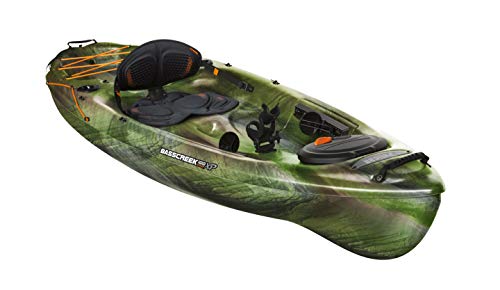
The Basscreek 100XP features a multi-chine flat bottom hull offering excellent stability and balance for casting and reeling. The adjustable ErgoFit G2 seating system provides thick ergonomic padding and improved airflow. Its fishing amenities include a front quick lock hatch, 4-inch day hatch with storage bag, tank well with bungee cord, swivel rod holder, and two flush mount rod holders. Adjustable footrests and paddle tie-downs add convenience for long excursions.
Buying Guide for Self Propelled Fishing Kayaks
1. Propulsion Type: Pedal, Fin, or Propeller Drive
Self propelled kayaks primarily use pedal, fin, or propeller drive systems. Pedal drives offer hands-free propulsion and conserve energy during long trips. Fin drives are ideal for shallow waters as they reduce snagging. Propeller drives provide more power and reverse maneuverability but can be heavier and more complex. Choose based on your fishing environment and preference for control versus simplicity.
2. Stability and Hull Design
Look for stable hulls such as tunnel hulls or multi-chine designs that provide a steady platform while fishing. Wide and flat decks enhance standing stability, essential for casting and reeling. The hull shape affects tracking, speed, and ease of entry/exit from the kayak.
3. Seating Comfort and Adjustability
Comfortable, adjustable seating systems (like ErgoBoost or Ergocast) reduce fatigue on long outings. Features such as elevated seating improve visibility and allow better casting angles. Lumbar support and cushioning increase comfort, especially during extended use.
4. Storage and Gear Management
Ample storage options, including tank wells, hatches, and accessory tracks, keep fishing gear organized and within reach. Modular or removable storage compartments offer flexibility. Rod holders and paddle tie-downs are vital for hands-free fishing and transport.
5. Portability and Assembly
For those who travel frequently, lightweight kayaks with modular assembly provide easy transport and storage. Handles and the ability to disassemble quickly without tools add convenience, especially for solo anglers or those without trailers.
6. Size and Weight Capacity
Select a kayak length and weight capacity suitable for your build and gear needs. Longer kayaks typically track straight better while shorter kayaks are more maneuverable. Ensure the kayak can safely support your weight plus fishing equipment.
7. Additional Features
Consider extras such as anti-slip decks, drink holders, bungee cords, and adjustable footrests. These small details enhance overall fishing comfort and functionality.